News Market
UV curing: A future without mercury lamps?
The RoHS Directive is setting new standards for industrial coating technology: with the impending ban on mercury in UV lamps, a well-established technology faces extinction. But what alternatives exist, and how can companies remain competitive in the long term?
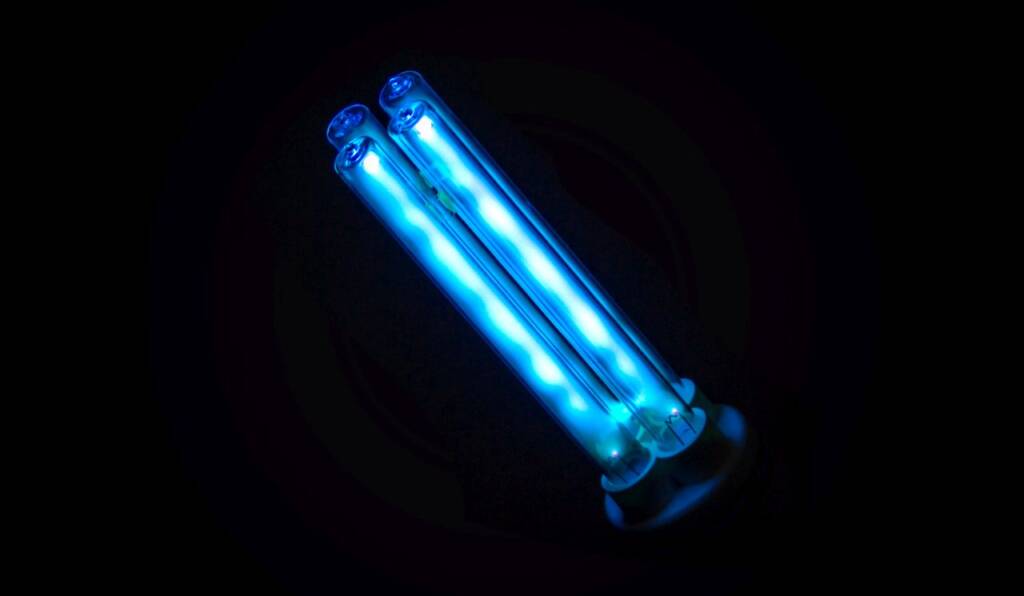
UV mercury lamps have been a central component of industrial surface finishing for decades. Particularly in the furniture and flooring industries, they offer rapid, efficient curing of coatings whilst delivering high surface quality. However, the European RoHS Directive (Restriction of Hazardous Substances) is calling this technology into question. The reason: mercury, the main component of these lamps, is classified as a hazardous substance and is to be largely banned from electrical and electronic equipment.
Currently, UV mercury lamps still benefit from an exemption that permits their use until February 2027. However, time is running out: whilst industry experts consider the chances of extending the exemption until 2032 realistic, companies must nevertheless prepare early for the potential changes.
What replacements for mercury lamps are available?
Moving away from mercury presents coating operations with technological and economic challenges. At the same time, however, it offers the opportunity to switch to more sustainable and efficient alternatives. Two technologies are particularly in focus: LED-UV systems and electron beam curing (EB technology). LED-UV systems are regarded as the key technology for the coating industry’s future. They offer numerous advantages:
- They operate mercury-free and thus fulfil the requirements of the RoHS Directive.
- Their energy consumption is significantly lower.
- The emitters have a longer service life and require no warm-up time.
However, the technology also has its limitations. LED emitters emit UV light in a narrow wavelength spectrum, which means many existing coatings must be adapted. Furthermore, retrofitting existing production lines often requires substantial investment. Hybrid solutions that combine LED and conventional UV emitters can represent a transitional solution here.
EB technology is another alternative that scores particularly well where high curing requirements are concerned. It offers excellent surface quality and operates without any radiation sources such as mercury or LEDs. However, it has seen little adoption in the furniture industry to date, as the high investment costs and extensive process adaptations deter many companies.
Strategic planning important
Whether the EU will extend the exemption for UV mercury lamps remains uncertain. It is therefore essential for technical leaders and decision-makers in coating technology to take action early. Pilot projects with LED-UV systems or test series with alternative technologies can help identify the best solution for each individual operation. The transition to mercury-free technologies may require investment, but also offers potential for greater sustainability, energy efficiency and innovation capability. Companies that proactively prepare for this transformation not only secure their competitiveness but also contribute to compliance with stringent environmental standards.